Beyond LDL-C: Understanding 'Vascular Rust' and Small Dense LDL Particles
Think your cholesterol is fine? Learn why small dense LDL (sdLDL) is the hidden driver of 'vascular rust' and how to protect your heart.
Are you afraid of those red marks on your health report, or worse, a “normal” result that hides a dangerous secret? According to the World Health Organization (WHO), cardiovascular disease remains the leading cause of death globally, but standard tests often skip the most dangerous player in the blood: sdLDL.
| Key Dimension | Clinical Standards & Data Context | Business & Health Impact |
|---|---|---|
| Cholesterol Target | LDL-C < 1.6 mmol/L | Threshold for observed clinical Plaque Regression |
| Particle Quality | Presence of sdLDL Particles | Linked to high “Residual Risk” even with normal LDL-C |
| Gold Standard Marker | Apolipoprotein B (Apo B) | 1:1 ratio with atherogenic particles; more accurate than LDL-C |
1. Patient Misconceptions: Why “Normal” Isn’t Always Safe
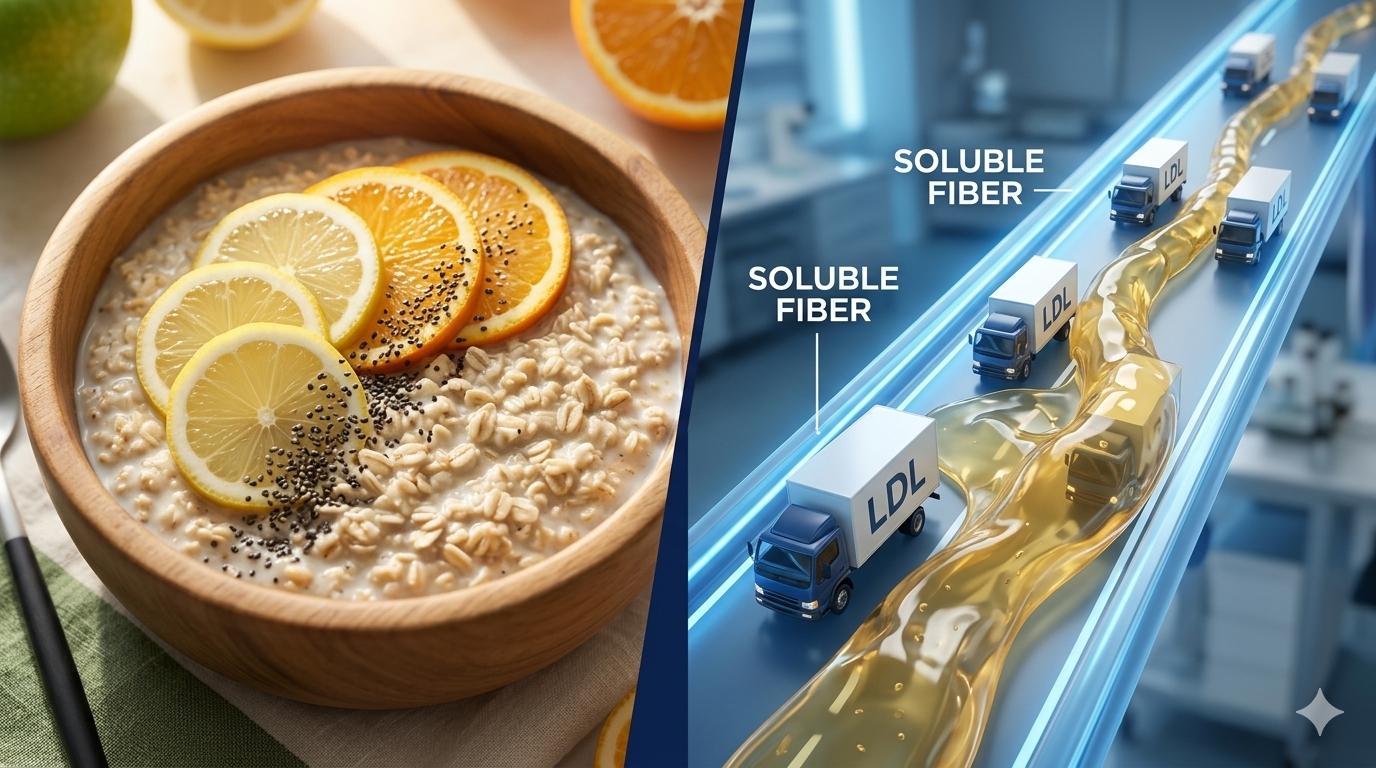
Many patients feel a sense of relief when their LDL-C (Low-Density Lipoprotein Cholesterol) falls within the reference range. 📉 However, LDL particles are not all created equal. Think of standard LDL as delivery trucks on the vascular highway. While most are large and light, a specific subtype called sdLDL (small dense LDL) acts more like tiny, persistent termites.
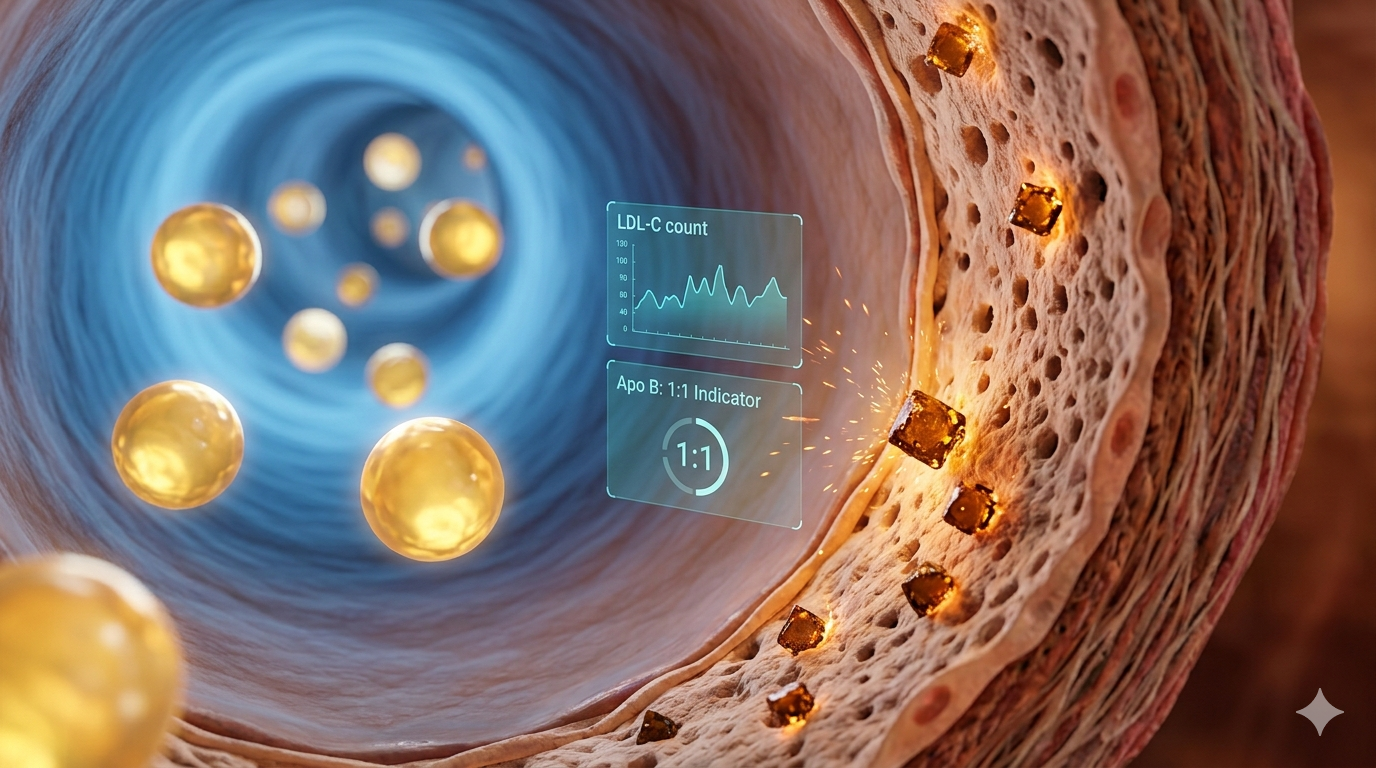
Because of their small size, sdLDL particles can easily slip through the arterial lining. 🛡️ Once inside, they oxidize rapidly, turning into what clinicians often call “Vascular Rust.” This process drives the buildup of plaque, even if your total cholesterol numbers look perfect.
2. Medical R&D Frontiers: The Shift from Weight to Particle Count
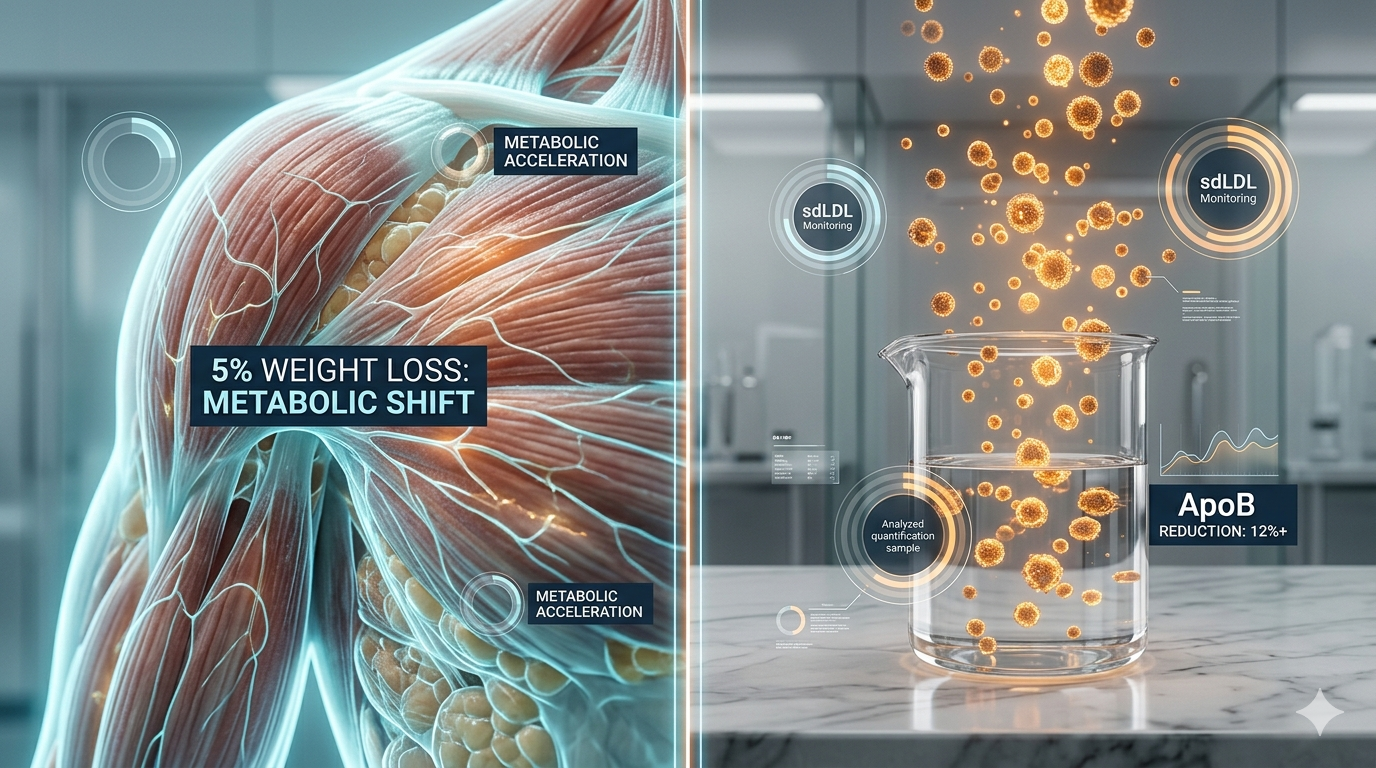
Modern cardiology is moving beyond measuring the weight of cholesterol to measuring the number of particles. 🔬 Every single atherogenic particle—whether it’s a standard LDL or a more aggressive subtype—contains exactly one molecule of Apo B (Apolipoprotein B).
Think of it as monitoring traffic: instead of weighing the total mass of vehicles on a bridge, we are counting the actual number of cars that could cause a jam. 📈 Measuring Apo B provides a much clearer picture of your actual risk of heart disease, making it the emerging “gold standard” in clinical practice.
3. Daily Prevention Focus: Managing the “Tiny Termites”
How do we stop the rust before it spreads? Managing your metabolic health is more effective than just cutting out dietary cholesterol. 🍳 If your diet consists of high-sugar smoothies or processed deli meats, your liver may be churning out more sdLDL than you realize.
- Mind the Carbs: Clinical data shows that adopting a diet where carbohydrates account for less than 26% of total energy can shift LDL particles from “small and dense” to “large and buoyant.”
- Identify Insulin Resistance: If you have high Triglycerides and low HDL (“Good cholesterol”), you likely have a high concentration of sdLDL.
- Focus on Plaque Regression: For those at high risk, bringing LDL-C down to < 1.6 mmol/L is the proven way to begin shrinking existing arterial junk.
FAQ Section
Q1: I stopped eating eggs, but my cholesterol is still high. Why? Answer: Most cholesterol is produced internally by your liver, not from the food you eat. High levels of “bad” cholesterol are often driven by insulin resistance, influenced more by sugars and refined starches than dietary eggs.
Q2: What is the difference between LDL-C and Apo B? Answer: LDL-C measures the total cholesterol weight, while Apo B counts the number of potentially dangerous particles. It is the difference between weighing a truck’s cargo and counting the number of trucks on the road.
Dual-City Strategic Medical Liaison Contact us for advanced cardiovascular risk assessments: 📍 Kuala Lumpur | Singapore