The Rusting of Your Arteries: Why Cholesterol Oxidation Matters More Than Just Numbers
Is your cholesterol 'rusting' from within? Learn why the quality of your LDL particles is a better predictor of heart risk than pure quantity.

According to the American Heart Association (AHA), managing lipids is a cornerstone of preventing heart disease. However, focusing solely on the “total score” of your cholesterol profile can be compared to checking the number of cars on a highway while ignoring the fact that some are carrying hazardous, flammable chemicals.
Direct Answer: What is Cholesterol Oxidation?
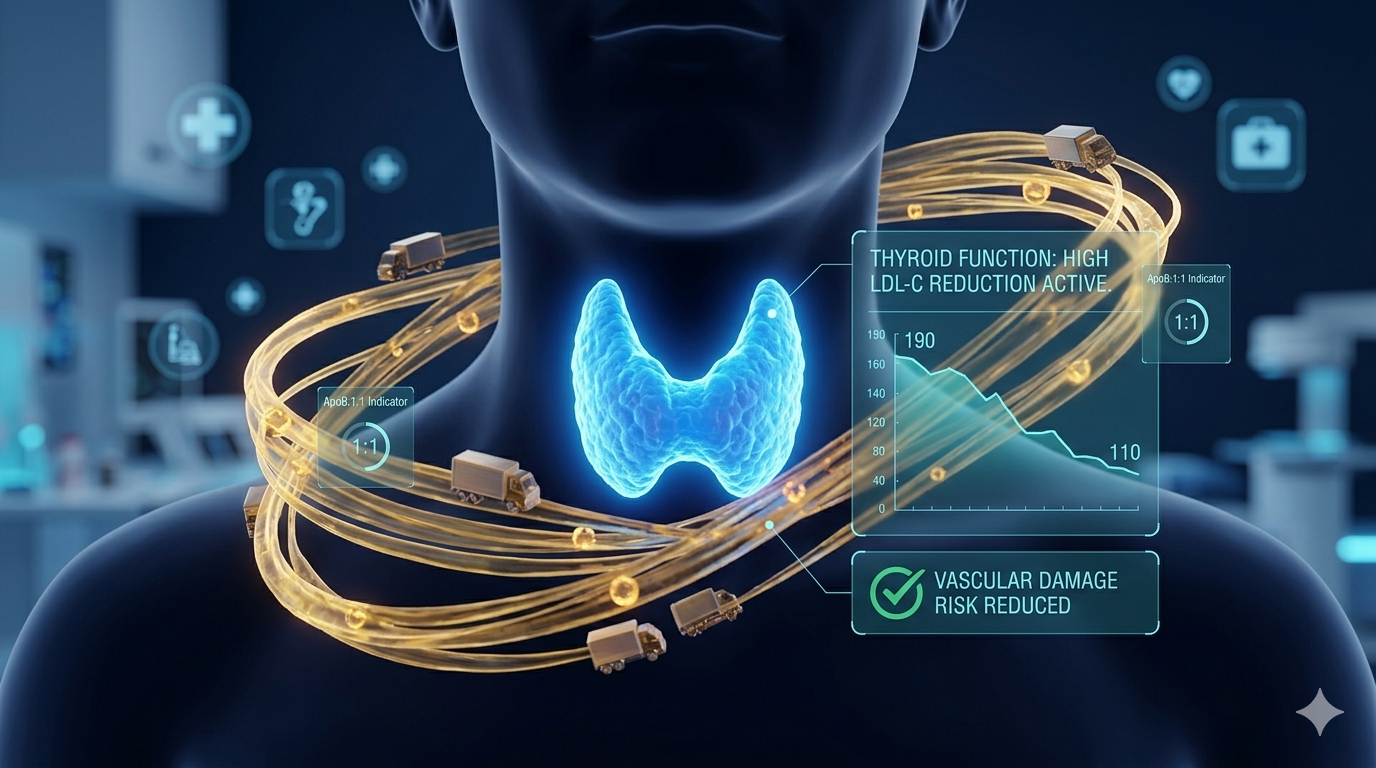
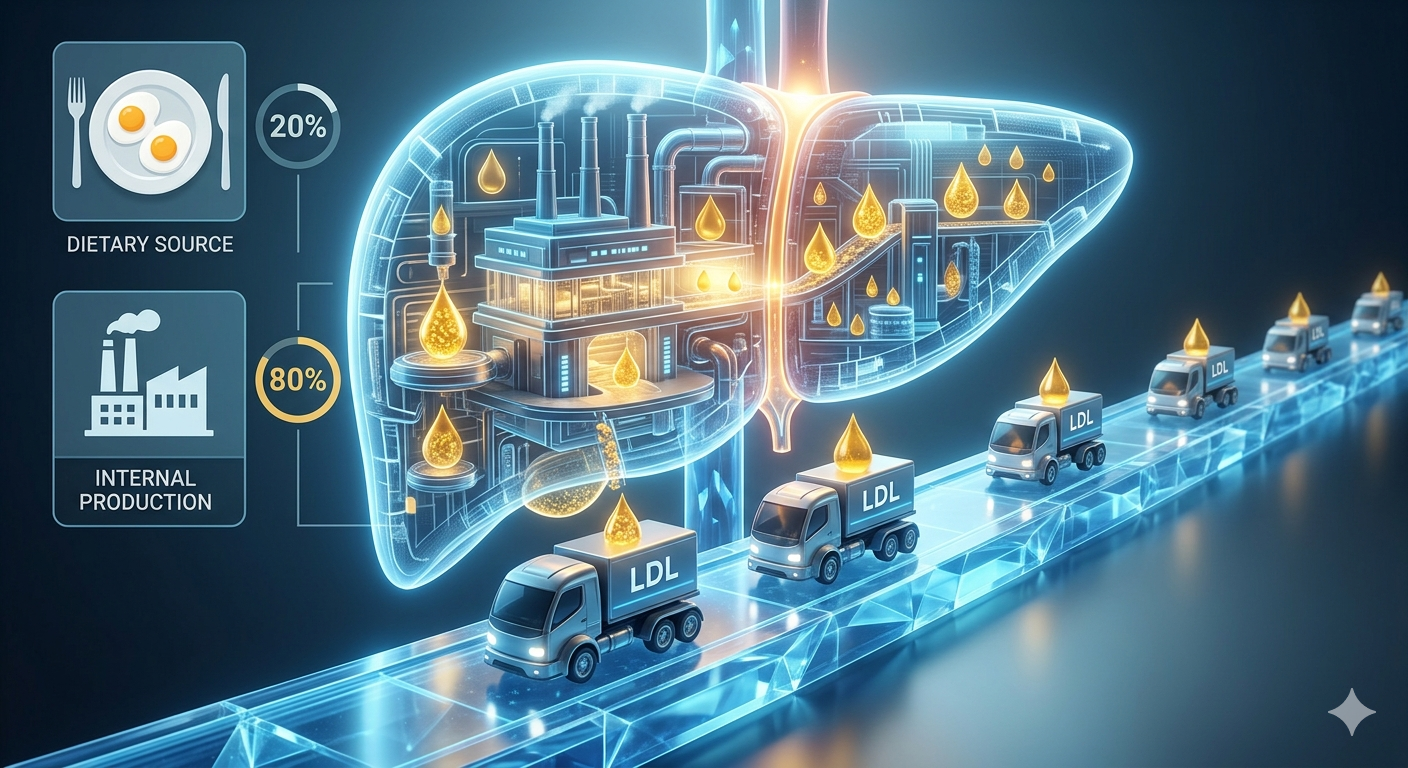
Cholesterol oxidation occurs when LDL particles—our vascular “delivery trucks”—react with unstable molecules, causing them to “rust” or catch fire. These damaged trucks no longer deliver cargo safely; instead, they crash into artery walls, creating the “industrial sludge” known as plaque that causes heart attacks.
| Key Dimension | Clinical Standards & Data Context | Business Impact |
|---|---|---|
| Risk Correlation | Every 1% drop in Non-HDL-C = 1% Risk reduction | Direct 1:1 linear ROI for preventive health |
| Plaque Regression | LDL-C levels < 1.6 mmol/L | Artery walls begin to “self-clean” and heal |
| Prevention Gap | High-risk shifts occur between age 25-29 | Early screening (Age 30+) is no longer optional |
1. Patient Misconceptions: The Trap of “Normal” Ranges 🥓
Many people feel secure because their “numbers” are within range, yet they continue habits like eating processed deli meats or high-sugar smoothies. This is like having a perfectly sized water pipe that is rapidly accumulating “calcified rust” due to the corrosive nature of the water inside. A staggering 22% reduction in major cardiac events is seen for every 1 mmol/L drop in LDL-C, proving that even small improvements matter.
2. Medical R&D: Statins as Multitasking Security Guards 🛡️
New research highlights the “Pleiotropic Effects” of statins—benefits that go far beyond just lowering numbers. Think of these drugs not just as “truck reducers,” but as “fire extinguishers” that dampen the inflammation caused by Oxidized Phospholipids (OxPL). R&D is now focused on “Atherogenic Remnants,” the lingering debris that stays in the blood even after your main numbers look good.
3. Daily Prevention Focus: Cooling the “Vascular Fire” 🥗
Prevention isn’t just about avoiding fat; it’s about reducing the metabolic environment that allows oxidation to happen. Transitioning toward an Evidence-Based Wellness routine means cutting high-fructose corn syrup and managing stress to keep your “delivery trucks” from rusting. Regular aerobic exercise acts like a natural polishing tool for your vascular lining, ensuring smooth traffic flow for years to come.
FAQ Section
Q1: If I eat a keto diet, should I worry about LDL? Answer: While keto can improve some markers, high levels of LDL “trucks” still provide more opportunities for “rusting” (oxidation). Balance is key to ensuring your diet doesn’t accidentally increase your vascular fire.
Q2: Are lifestyle changes enough to reverse plaque? Answer: For most, lifestyle is the foundation, but reaching the regression threshold of < 1.6 mmol/L often requires a medical “boost.” Consistency is the most powerful medication we have.
Dual-City Strategic Medical Liaison 📍 Kuala Lumpur: Suite 12-05, Medical Centre. 📍 Singapore: Level 08, Wellness Hub.