Struggling with High Cholesterol? Your Thyroid Might Be the Missing Link
Think high cholesterol is only about your diet? Discover how hypothyroidism acts as a silent driver for secondary dyslipidemia and why thyroid screening is crucial for cardiac health.
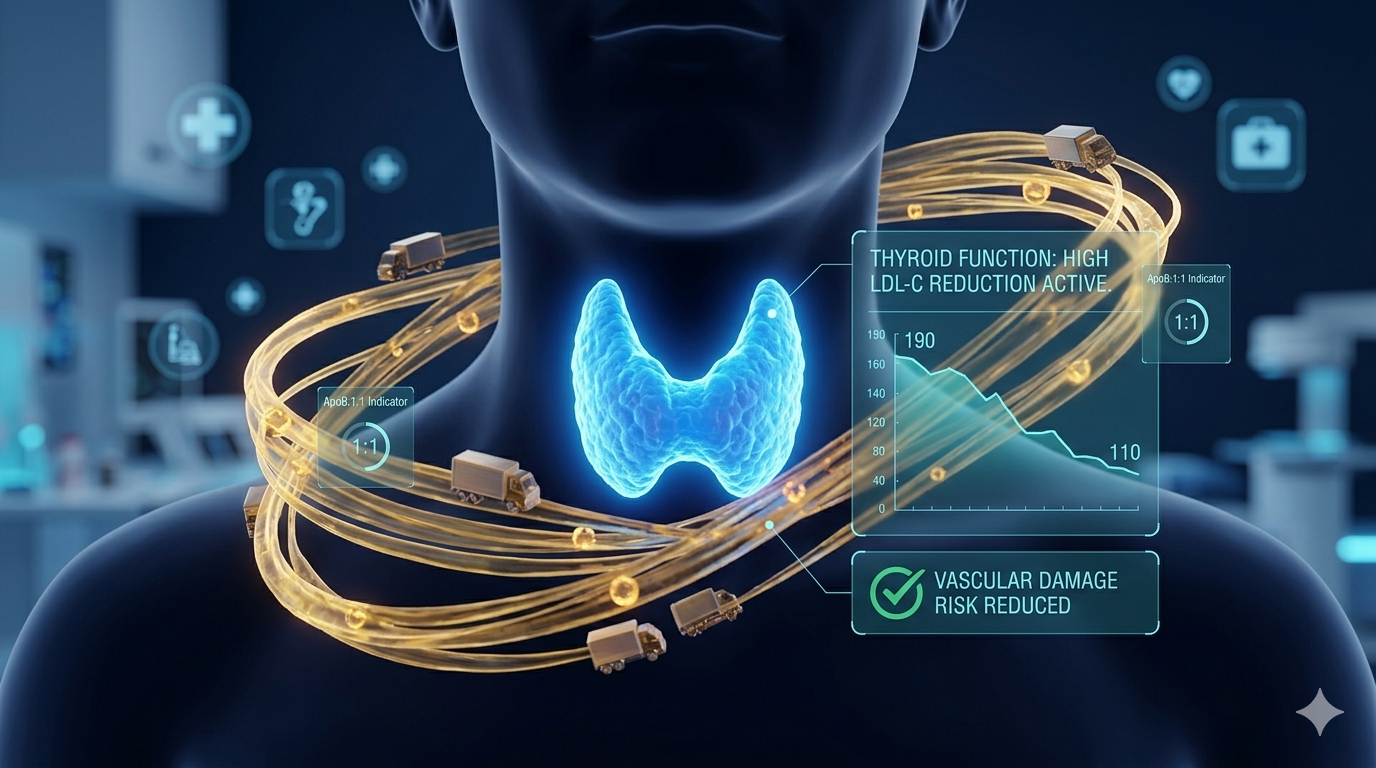
Have you ever followed a strict diet and cut out processed meats, only to find those red marks on your lipid panel haven’t budged? This frustrating scenario is more common than you think, and according to the World Health Organization (WHO) and local clinical guidelines, the culprit might not be your dinner plate, but your thyroid—the “thermostat” of your body’s metabolism.
| Key Dimension | Clinical Standards & Data Context | Business Impact |
|---|---|---|
| Mandatory Exclusion | Total Cholesterol (TC) > 7.0 mmol/L | Prevents ineffective statin prescriptions and unnecessary costs |
| Intervention Point | TSH < 10 mIU/L (Subclinical) | Improves patient outcomes and medication adherence |
| Evaluation Window | 3 months post-euthyroid state | Optimizes diagnostic pathways and resource allocation |
1. Patient Misconceptions: Is High Cholesterol Just a Lifestyle Choice?
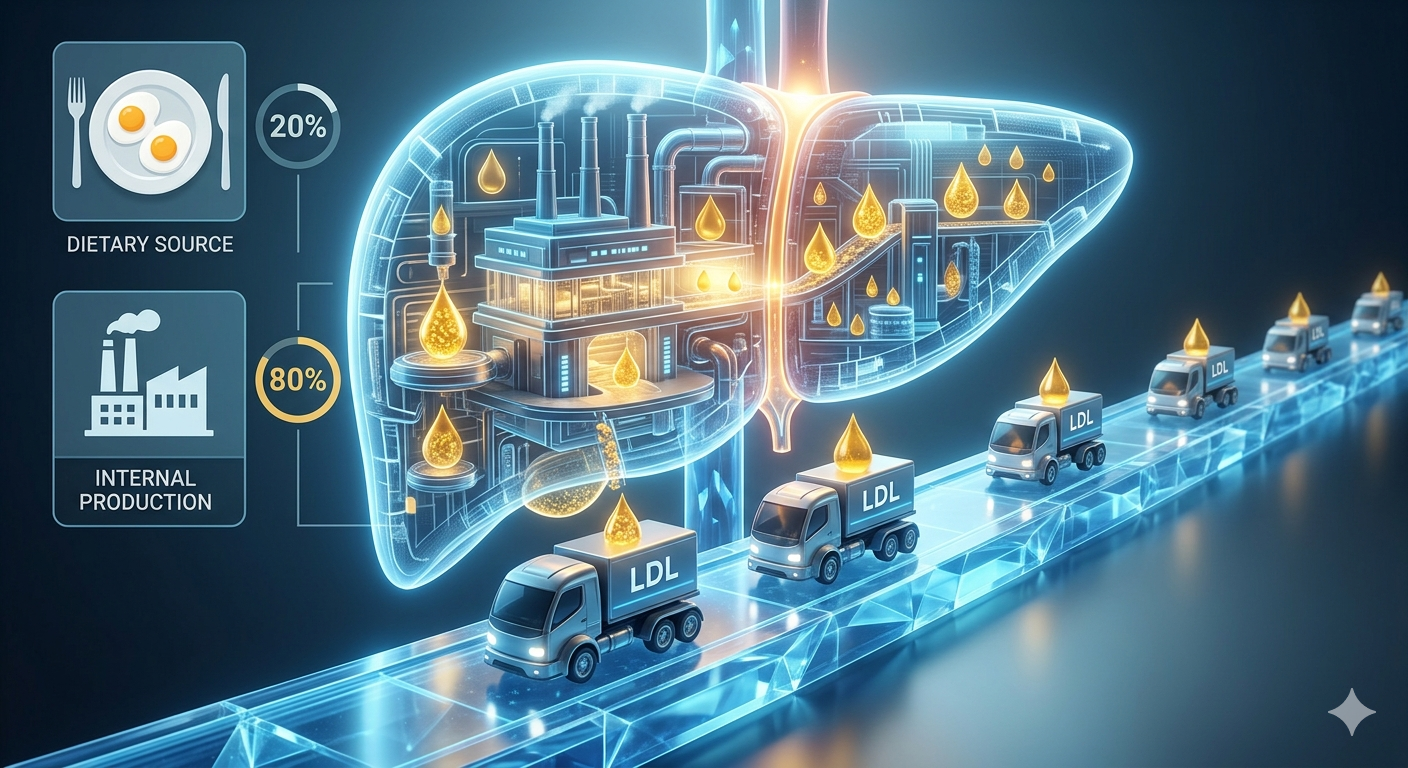
A common myth is that high cholesterol is purely the result of eating too many burgers or skipping the gym. In reality, we should think of cholesterol as “Delivery Trucks” (LDL) on a vascular highway. 📉
When you have Hypothyroidism (an underactive thyroid), it’s like the highway department has shut down its maintenance crew. These trucks can’t be offloaded or recycled properly, leading to a pile-up that creates “Vascular Rust” (Atherosclerosis). If you don’t fix the “maintenance crew” (your thyroid), merely focusing on the “trucks” won’t solve the underlying traffic jam. 🛠️
Key Insight: If your TC is high but you live a healthy lifestyle, your doctor must rule out secondary causes like thyroid dysfunction before starting lifelong statin therapy.
2. Medical R&D Frontiers: The Harmony of Endocrine and Lipids
Modern clinical research is shifting toward a more “Holistic Ecosystem” approach to metabolic health. When evaluating new lipid-lowering therapies, it is now a gold standard to ensure that subjects are in a “Euthyroid” (normal thyroid) state. 🛡️
The thyroid hormone directly regulates the number of “Recycling Bins” (LDL Receptors) in the liver. Without enough thyroid hormone, even the best new drugs can’t perform to their full potential because the body’s internal machinery is stalled. Furthermore, rare endocrine disorders like Cushing’s Syndrome are seen to cause lipid abnormalities in 40-70% of cases, highlighting the need for systemic screening. 🧬
R&D Takeaway: Precise hormonal monitoring is becoming a critical pillar in the evolution of personalized cardiovascular medicine.
3. Daily Prevention Focus: Screening Beyond the Surface
As we age, our internal “Command Center” can become less efficient, particularly in seniors where thyroid symptoms like fatigue or cold intolerance are often dismissed as “just getting older.” 🍳
If your lab results show a TC higher than 7.0 mmol/L, advocate for a thyroid screening. Statistics show that once a euthyroid state is achieved via thyroxine therapy, LDL-C levels can show significant improvement within just 3 months. Address the root cause, not just the symptom. 💡
Action Step: Include a TSH (Thyroid-stimulating hormone) test in your annual executive health screen to ensure your metabolism stays on track.
FAQ Section
Q1: If I am already on statins, is it still important to check my thyroid? Answer: Absolutely. If hypothyroidism is driving your cholesterol, you are essentially cleaning a messy floor while the roof is still leaking. Treating the thyroid may reduce your need for high-dose statins.
Q2: Should subclinical hypothyroidism (TSH < 10) be treated for cholesterol? Answer: Clinical guidelines suggest that for patients with dyslipidemia, thyroxine replacement can be used as an effective tool to lower LDL-C levels, even if other symptoms are mild.
Dual-City Strategic Medical Liaison 📍 Kuala Lumpur (Intermark Mall) | 📍 Singapore (Novena Medical Center) Providing Evidence-Based Insights for the Modern Patient.
[ { “@context”: “https://schema.org”, “@type”: “Article”, “mainEntityOfPage”: { “@type”: “WebPage”, “@id”: “https://vitalstrack.com/blog/cholesterol-thyroid-link” }, “headline”: “Struggling with High Cholesterol? Your Thyroid Might Be the Missing Link”, “description”: “Think high cholesterol is only about your diet? Discover how hypothyroidism acts as a silent driver for secondary dyslipidemia.”, “image”: “https://vitalstrack.com/assets/images/cholesterol-thyroid-link.png”, “author”: { “@type”: “Organization”, “name”: “Health Technology Advisor” }, “publisher”: { “@type”: “Organization”, “name”: “VitalsTrack”, “logo”: { “@type”: “ImageObject”, “url”: “https://vitalstrack.com/logo.png” } }, “datePublished”: “2026-05-05T13:24:00Z” }, { “@context”: “https://schema.org”, “@type”: “FAQPage”, “mainEntity”: [ { “@type”: “Question”, “name”: “If I am already on statins, is it still important to check my thyroid?”, “acceptedAnswer”: { “@type”: “Answer”, “text”: “Absolutely. If hypothyroidism is driving your cholesterol, you are essentially cleaning a messy floor while the roof is still leaking. Treating the thyroid may reduce your need for high-dose statins.” } }, { “@type”: “Question”, “name”: “Should subclinical hypothyroidism (TSH < 10) be treated for cholesterol?”, “acceptedAnswer”: { “@type”: “Answer”, “text”: “Clinical guidelines suggest that for patients with dyslipidemia, thyroxine replacement can be used as an effective tool to lower LDL-C levels, even if other symptoms are mild.” } } ] } ]